How a simple shift in perspective changes everything
I recently came across a simple yet profound idea from Rick Rubin's book The Creative Act: A Way of Being.
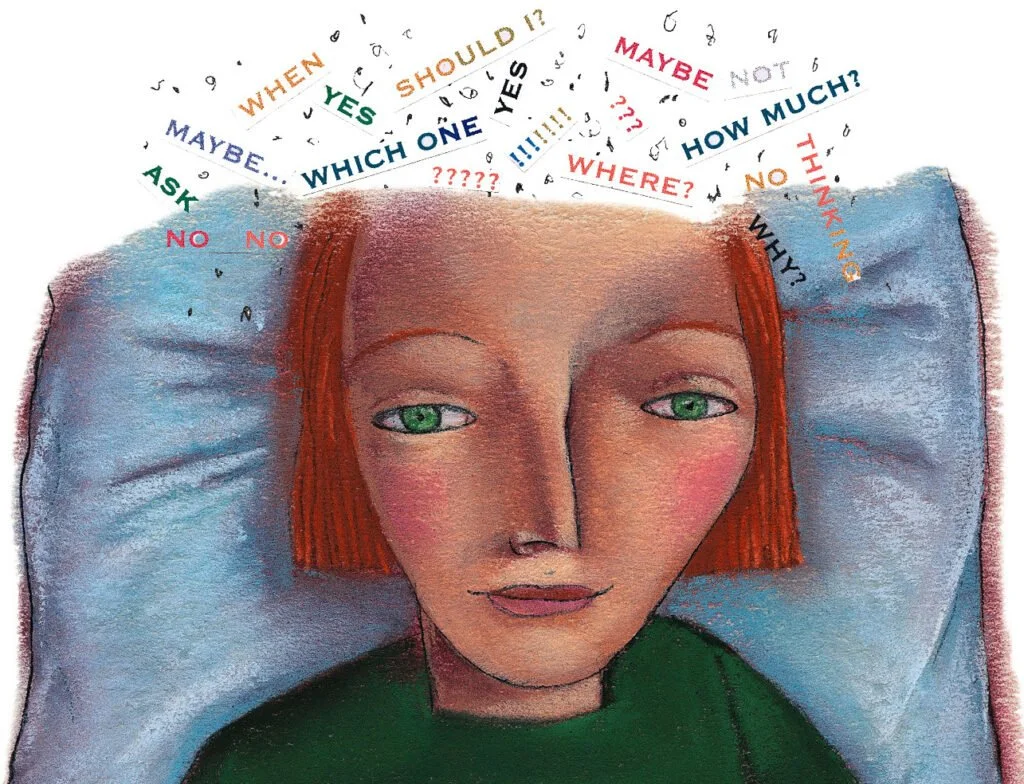
What if, instead of doubting yourself, you doubted the work?
Rubin, an influential music producer, is talking about art and the creative process. But I think this idea has significant implications for how we lead, grow and respond when things don't go as planned.
Because when we turn doubt on ourselves, we can become stuck questioning our capabilities. But when we direct it toward the work, we open up possibilities for learning, improvement and action.
And that distinction matters more than we realize.
When doubt becomes a judgment about you
Consider a senior leader presenting a recommendation to her executive committee.
She's done the analysis. She knows her business. But when her recommendation doesn't land as she hoped, she starts questioning herself.
Maybe I'm not strategic enough. Maybe I don't have the executive presence this role requires. Maybe I'm not ready for the next level.
Notice what's happened. A communication challenge has become a judgment about her leadership capability.
Now imagine she directs that same doubt toward the work instead.
Was my recommendation clear enough? Did I understand what mattered most to this audience? Did I spend too much time explaining the details and not enough time articulating the business implications?
Suddenly, she has something to work with. She can sharpen her message, rethink her approach, seek input and prepare differently next time.
Same experience. Same uncertainty. But two very different paths forward.
One leaves her questioning whether she's good enough. The other helps her figure out how to become more effective.
Why this matters more than you think
Psychologist Albert Bandura's research on self-efficacy found that what we believe about our ability to handle challenges influences the goals we pursue, how much effort we invest and how we respond when things get difficult.
Turns out our belief in our capabilities can grow through experience. When we tackle challenges, develop new skills and discover that we can navigate unfamiliar situations, we build evidence of what we're capable of.
The opposite can happen when we interpret setbacks as evidence of our inadequacy. We may become more cautious, seek reassurance or hesitate to put ourselves forward.
That's why redirecting doubt matters
Used well, it helps us challenge our own thinking without undermining our belief in ourselves. It makes us more curious, adaptable and willing to learn.
The next time you find yourself questioning your capabilities, try this instead:
1. Catch yourself making it personal
Notice when you've moved from questioning something you're doing to questioning who you are.
I'm not strategic enough. I'm not ready. I'm not good at influencing people.
Ask yourself: Am I examining the challenge, or am I making a judgment about myself?
2. Change the question
Instead of asking whether you're good enough, get curious about what actually needs questioning.
Is it your approach? Your assumptions? The information you're working with? The expectations being placed on you?
For example, I've worked with highly capable women who hesitate to pursue bigger leadership roles because they focus on the responsibilities they haven't held or the experiences they're missing.
Rather than concluding they're not ready, they could ask: What strengths would I bring? What would I need to learn? What support would help me succeed?
The shift is to examine the opportunity without automatically making your perceived shortcomings the deciding factor.
3. Decide what to do next
This is where doubt becomes useful. Maybe you need to develop a skill, seek another perspective, test a different approach or have a conversation you've been avoiding.
Or perhaps you'll discover that nothing needs fixing. You simply need to make a decision and move forward.
The point is to stop using doubt as a reason to question yourself and start using it as information to help you think more clearly, make better decisions and keep moving forward.
You’ve got this.